
The exokiss journal · skincare · 4 min read
What does hyaluronic acid do for your skin?
By the exokiss team ·
In short
- Hyaluronic acid holds water. On skin, that means a hydrated feel and a plumper, dewier look.
- Your body makes it naturally. It is found in the skin, the joints and the eyes.
- Apply it on slightly damp skin, with a moisturizer on top to seal in the hydration.
- Our products with hyaluronic acid cover every skin type, and most are made for morning and night.
What does hyaluronic acid do? In one line: it holds on to water. That is why it turns up in serums, toners, creams, mists and even cleansers. Here is what it is, what it does on skin, how to use it so it works, and which of our products contain it, with the amounts where we publish them.
What hyaluronic acid is
Hyaluronic acid is a substance your body produces naturally. Cleveland Clinic describes it as gooey and slippery, a long chain-like molecule found throughout the body, especially in the eyes, the joints and the skin.
In skincare its job is hydration. On an ingredient list you will usually see it as sodium hyaluronate or hydrolyzed hyaluronic acid; our own ingredient lists use both names.
What hyaluronic acid does for skin
Its talent is holding water. Cleveland Clinic puts it this way: a quarter-teaspoon of hyaluronic acid holds about one and a half gallons of water.
In a skincare product, that means three things you can notice:
- Skin feels hydrated and comfortable, not tight.
- Skin looks plumper and dewier.
- Fine lines look softer. Cleveland Clinic names the appearance of lines among its skin benefits.
The American Academy of Dermatology lists hyaluronic acid among the ingredients to look for when skin is dry, and names it, with ceramides, as a helpful moisturizer ingredient.
What it is not: a sunscreen, or a moisturizer. It is the hydrating step, and a moisturizer goes over it.
How to use hyaluronic acid
- Apply it to slightly damp skin. Straight after cleansing or toner is ideal.
- Use a small amount. A few drops of serum cover the face.
- Follow with a moisturizer. The cream on top seals the hydration in.
- Use it morning and night if you like. In the morning, finish with sunscreen.
This is the method printed on our own Hydrating Serum: press a few drops over slightly damp skin, then follow with moisturizer to seal in the hydration.
Where to find it in our range
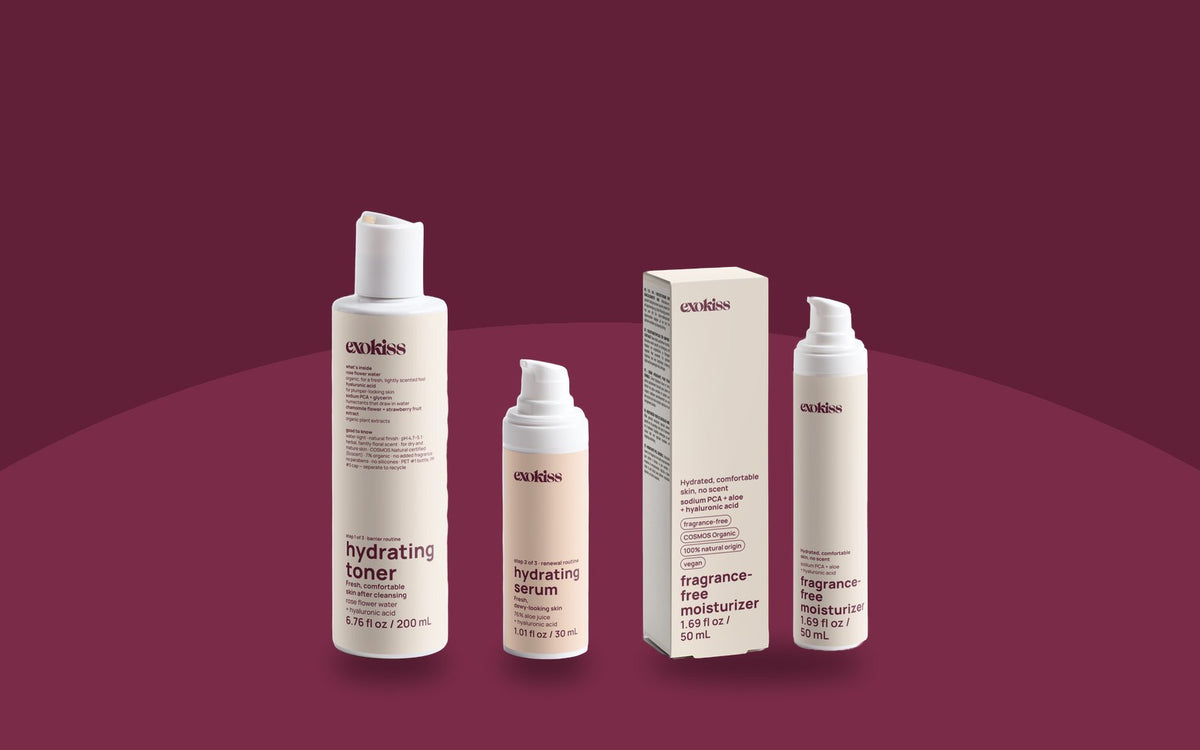
Hyaluronic acid is in more than a dozen of our face products. The three most built around hydration:
| Product | Hyaluronic acid in it | With | Its page says it is for |
|---|---|---|---|
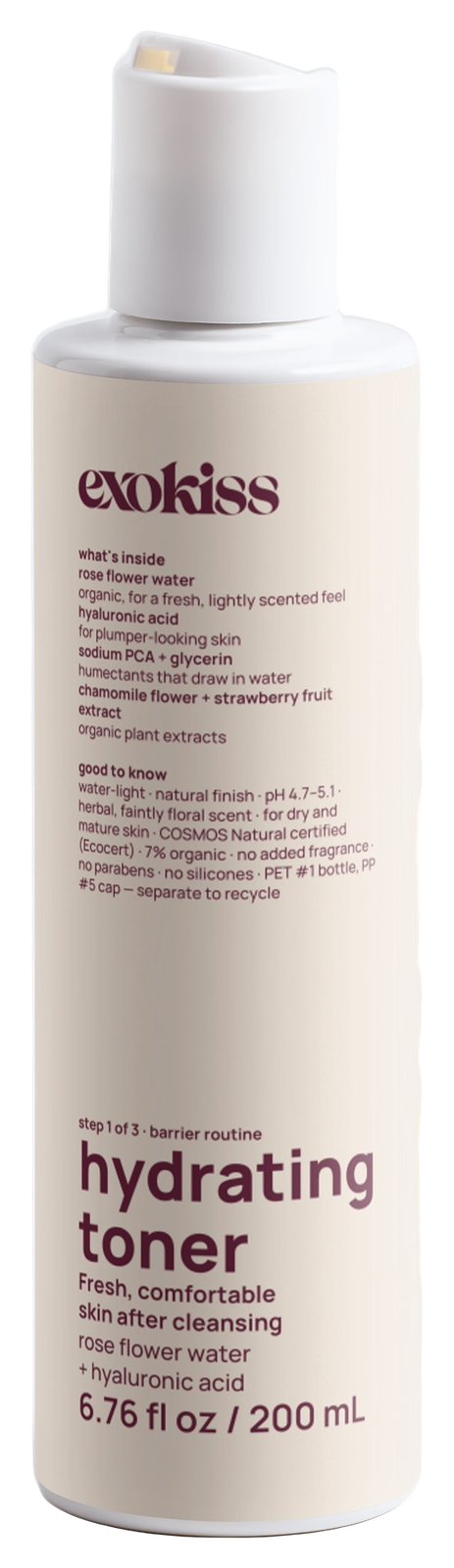
| Hydrating Toner | Sodium hyaluronate | Rose flower water, sodium PCA, glycerin | Dry and mature skin |
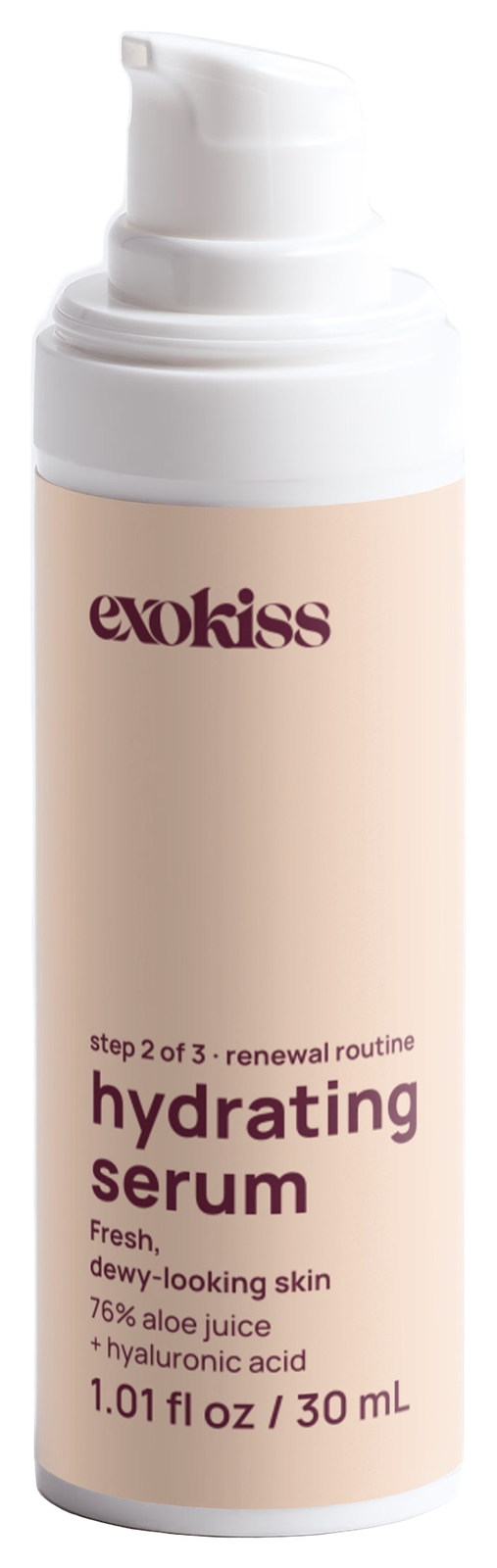
| Hydrating Serum | Two forms: sodium hyaluronate and hydrolyzed hyaluronic acid | 75.74% aloe leaf juice, jojoba oil | All skin types |
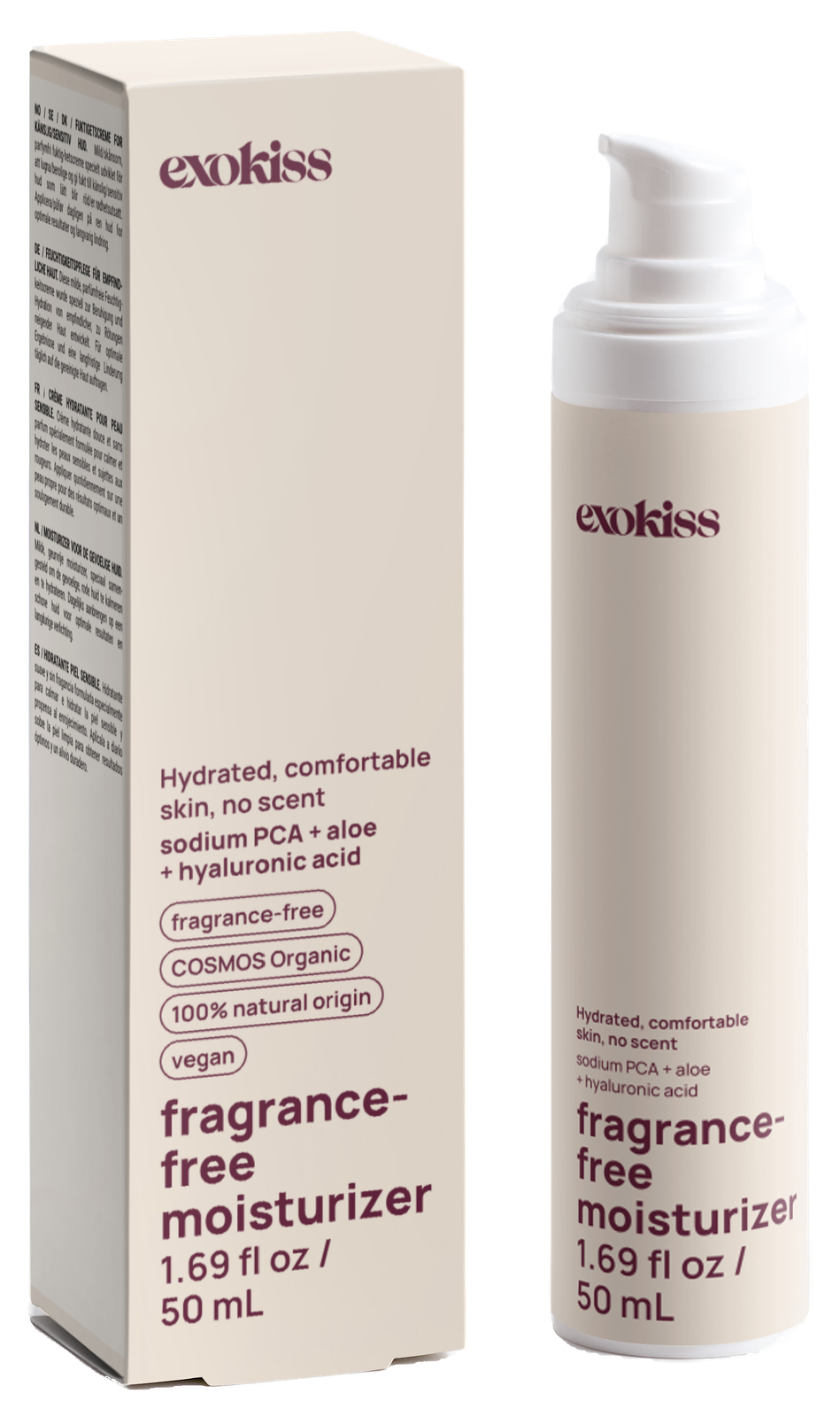
| Fragrance-Free Moisturizer | Two forms | Aloe leaf juice, sodium PCA, jojoba oil | All skin types, including dehydrated and sensitive |
The Hydrating Toner is the first water-light layer after cleansing. It has no added fragrance and a pH of 4.70 to 5.10.
The Hydrating Serum is a silky, light fluid that leaves a dewy look. It is scented (soft cotton and flowers) and COSMOS Natural certified.
The Fragrance-Free Moisturizer is the sealing step, with no fragrance and no essential oils. It is COSMOS Organic certified and 100% natural origin.
You will also find hyaluronic acid in our Peptide Serum, Niacinamide Serum, Prebiotic Jelly Serum, Prebiotic Face Mist (two weights), Micellar Water and Retinol Alternative Eye Serum.
How much is in a product?
Where we know the figure, we print it: the Hydrating Serum and the Peptide AM-PM Cream have 0.1% hyaluronic acid, the Retinol Alternative Serum has 0.08% and the Niacinamide Serum has 0.04%.
We do not publish a percentage for the other products, so we will not guess one here. What we can say is what it sits next to. In most of our formulas hyaluronic acid works alongside other water-holding ingredients such as glycerin, sodium PCA and aloe leaf juice.
What to pair it with
Our earlier guides place it with niacinamide and with vitamin C, and a ceramide cream makes a good sealing layer at night. For the order of every layer, see skincare routine steps.
Is hyaluronic acid safe?
Cleveland Clinic states that research shows hyaluronic acid is safe to use, that reactions are rare, and that over-the-counter skin products containing it are considered safe. Several of our products that contain it are scented, so check the product page if you avoid fragrance, and patch test anything new if your skin is reactive.
Injected hyaluronic acid (fillers) and supplements are different topics. They are medical decisions, and they are not what a serum or cream does.
Frequently asked questions
What are the benefits of putting hyaluronic acid on your face?
Skin feels hydrated and looks plumper and dewier, and fine lines can look softer. It does this by holding water.
Can you put hyaluronic acid on your face daily?
Yes. Our Hydrating Serum, Hydrating Toner and Fragrance-Free Moisturizer are all made for morning and night use.
Should hyaluronic acid go on wet or dry skin?
Slightly damp. Press it on after cleansing or toner, then follow with moisturizer to seal the hydration in.
Do I need a moisturizer over hyaluronic acid?
Yes. The directions on our Hydrating Serum say to follow with moisturizer to seal in the hydration.
Is sodium hyaluronate the same as hyaluronic acid?
It is a form of hyaluronic acid, and the name on most of our ingredient lists. Cleveland Clinic notes that hyaluronic acid is also called hyaluronan or hyaluronate.
Is hyaluronic acid good to take daily?
That is a question about supplements, which we do not make. Cleveland Clinic advises telling your healthcare provider about any supplements you take. This guide covers hyaluronic acid in skincare only.
Sources
Cleveland Clinic. Hyaluronic acid. Last updated 2022. https://my.clevelandclinic.org/health/articles/22915-hyaluronic-acid
American Academy of Dermatology. Dermatologists' top tips for relieving dry skin. https://www.aad.org/public/everyday-care/skin-care-basics/dry/dermatologists-tips-relieve-dry-skin
American Academy of Dermatology. How to pick the right moisturizer for your skin. https://www.aad.org/public/everyday-care/skin-care-basics/dry/pick-moisturizer
Product details are taken from the exokiss product pages. This article is general information, not medical advice.
not sure yet?
try it first
2 mL samples of our best-sellers are $5 each, and one is free with orders of $65 or more. Free US shipping from $35.
keep reading
All articles-
 skincare · 4 min read
How to use face oil: when, how much and in what orderHow to use face oil: how many drops, when it goes on, whether it comes before or after moisturizer, and which skin types it suits.
-
 skincare · 4 min read
How to use face mist: five ways, and when to skip itHow to use face mist: after cleansing, under a face oil, over makeup or at midday. The right distance, how often, and what a mist cannot...
-
 bath · 4 min read
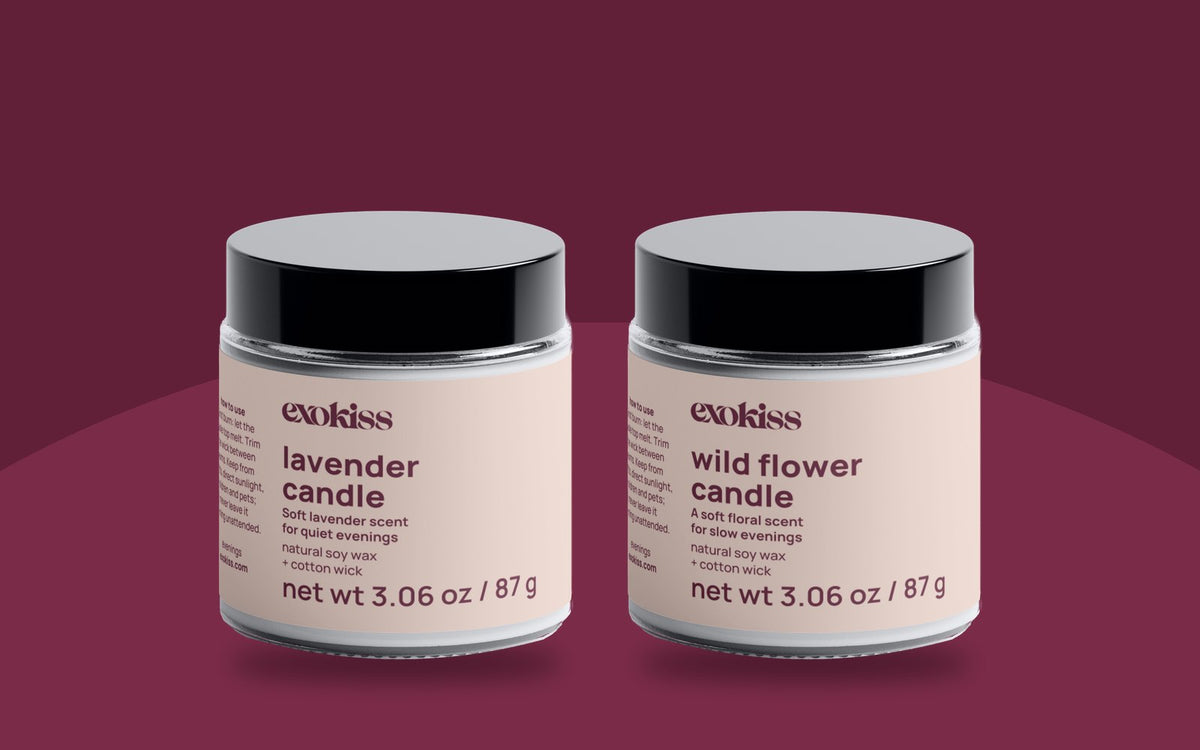
Soy candle vs beeswax candle: an honest comparisonSoy candle vs beeswax candle: where each wax comes from, which one is vegan, how they look, smell and burn, and how to choose without the...


