
The exokiss journal · body · 6 min read
Urea cream for rough, dry skin: what it does and how to use it
By the exokiss team ·

In short
- Urea is one of the substances your skin already uses to hold on to water.
- At low levels it mainly moisturizes; at high levels (10% and up) it also softens thick, rough skin.
- For everyday rough patches on elbows, knees, shins and heels, a rich urea cream used twice a day is a simple fix.
- Very thick calluses, cracked heels or bumpy skin that doesn't improve deserve a dermatologist's look.
Some dry skin is easy: a little lotion and it's gone. Then there's the other kind: elbows that stay rough, shins that look ashy by lunchtime, heels that catch on your socks. That kind of dryness needs more than a light lotion, and urea is one of the most useful ingredients for it.
What urea actually is
Urea sounds clinical, but your skin makes it. It is part of the skin's "natural moisturizing factor", a mix of small molecules in the top layer of skin that pulls in water and keeps it there. Dry, rough skin often has less of it. Skincare urea is made in a lab, so it is not taken from anything animal, and it is one of the longest-used moisturizing ingredients in dermatology.
Why the percentage matters
Urea does different jobs at different strengths:
| Strength | Main job | Typical use |
|---|---|---|
| Up to about 10% | Draws in and holds water (humectant), supports the skin barrier | Everyday dry and rough body skin |
| 10–20% | Moisturizes and starts to soften rough, scaly skin | Very dry legs, elbows, knees |
| 20–40% and above | Breaks down thick, hardened skin | Heel calluses, thickened nails, usually short-term |
Higher is not automatically better. Strong urea can sting on broken or very sensitive skin, and most everyday dryness responds well to the moisturizing range.
Urea vs other ingredients for rough, dry skin
Urea isn't the only option, and the best body creams usually combine a few of these, because each does a different job:
| Ingredient | What it does | Good to know |
|---|---|---|
| Urea | Holds water; softens rough skin at higher strengths | Gentle at moisturizing strengths; can sting on broken skin |
| Glycerin, hyaluronic acid, sodium PCA | Humectants: draw water into the top layer of skin | Work best under or inside a richer cream that slows water loss |
| Lactic acid (an AHA) | Holds water and loosens dry flakes | More likely to sting; AHAs can make skin more sensitive to the sun, so use sunscreen on treated areas |
| Ceramides | Barrier lipids that help skin keep its water | Often paired with humectants |
| Butters, oils, petrolatum | Soften the skin and seal water in | Feel richer; heavy formulas can feel greasy on the body |
If you already use an AHA body lotion, don't stack it with a urea cream on the same patch straight away. Alternate them, morning and night, and see how your skin feels.
What's in our Urea Body Cream
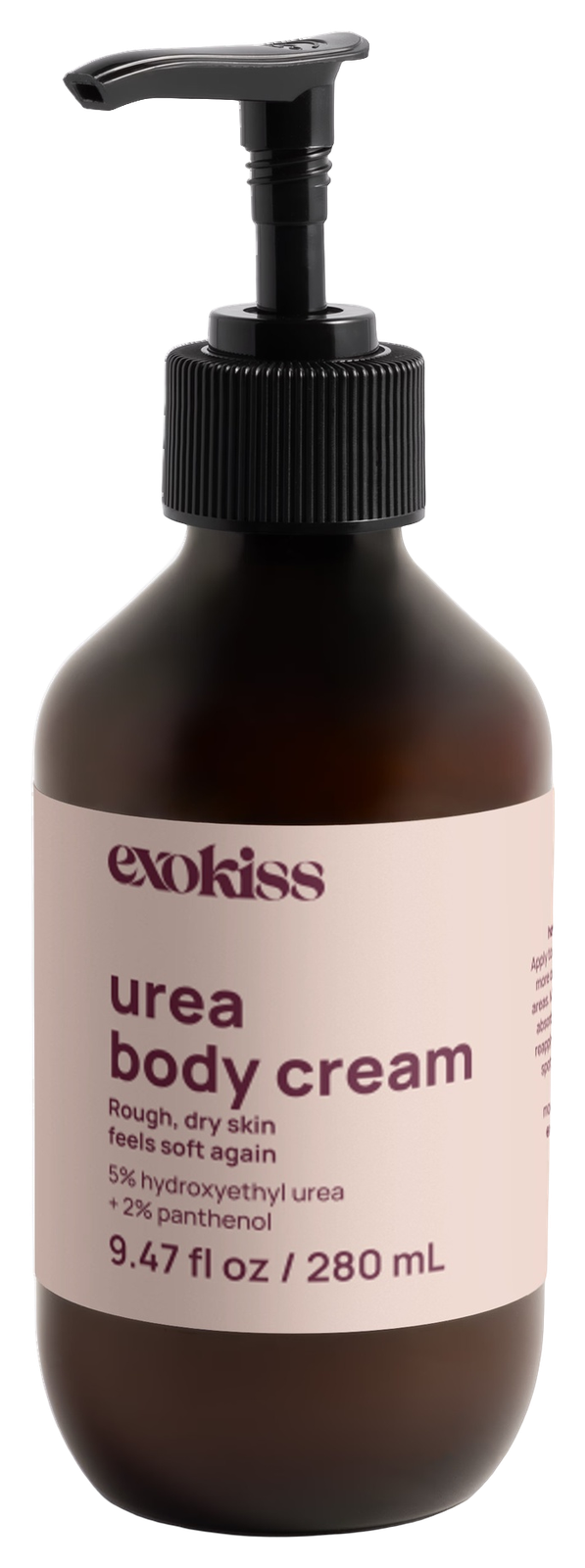
Our Urea Body Cream uses 5% hydroxyethyl urea with 2% panthenol, plus two humectants, sodium hyaluronate and sodium PCA. Hydroxyethyl urea is a urea-based moisturizer that holds water like urea does but feels less sticky. It sits in the everyday moisturizing range: it is a cream for rough, dry patches that should feel soft again, not a callus treatment.
The texture is rich but not greasy, so you can get dressed soon after. It is vegan, free of parabens and silicones, with a skin-friendly pH of 5.1–5.3. It has a light cucumber, lemon and green-thyme scent, so it is not fragrance-free. The pump bottle holds 9.47 fl oz (280 mL).
How to use a urea cream
- Apply to clean, slightly damp skin. Straight after a shower is ideal, when skin still holds a little water for the urea to keep in.
- Focus on the rough spots: elbows, knees, shins, the backs of arms, heels.
- Use it morning and night, every day. Rough patches usually feel softer within days. Smoother-looking skin takes a few weeks of daily use.
- Skip broken skin. Don't apply to cuts, cracks that bleed, or freshly shaved skin if it stings.
- Keep going. Dry skin comes back when you stop, so think of it as maintenance.
Spot by spot: elbows, knees, shins, heels and hands
- Elbows and knees: the skin here is thicker and rubs against clothes and surfaces all day. Massage a little extra cream in until it disappears.
- Shins: often the driest skin on the body. Apply straight after the shower, before your legs dry off completely.
- Heels: apply at night and pull on cotton socks to keep the cream where it's needed. Deep, painful or bleeding cracks are a reason to see a professional, not to scrub harder.
- Backs of arms: smooth the cream on in long strokes. A gentle weekly scrub before it can help lift dry flakes.
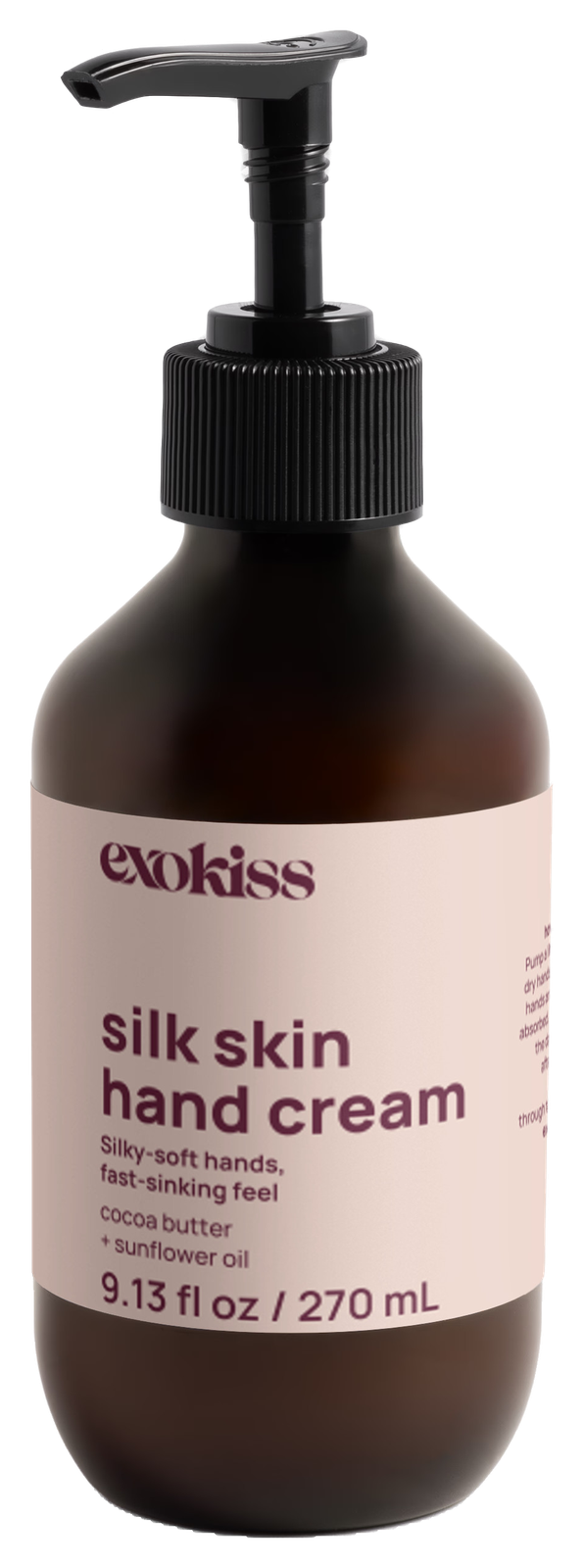
- Hands: the body cream works on hands too. For quick top-ups between tasks, our Silk Skin Hand Cream with cocoa butter sinks in fast.
Building a simple body routine
You don't need a cupboard full of products. One way to layer:
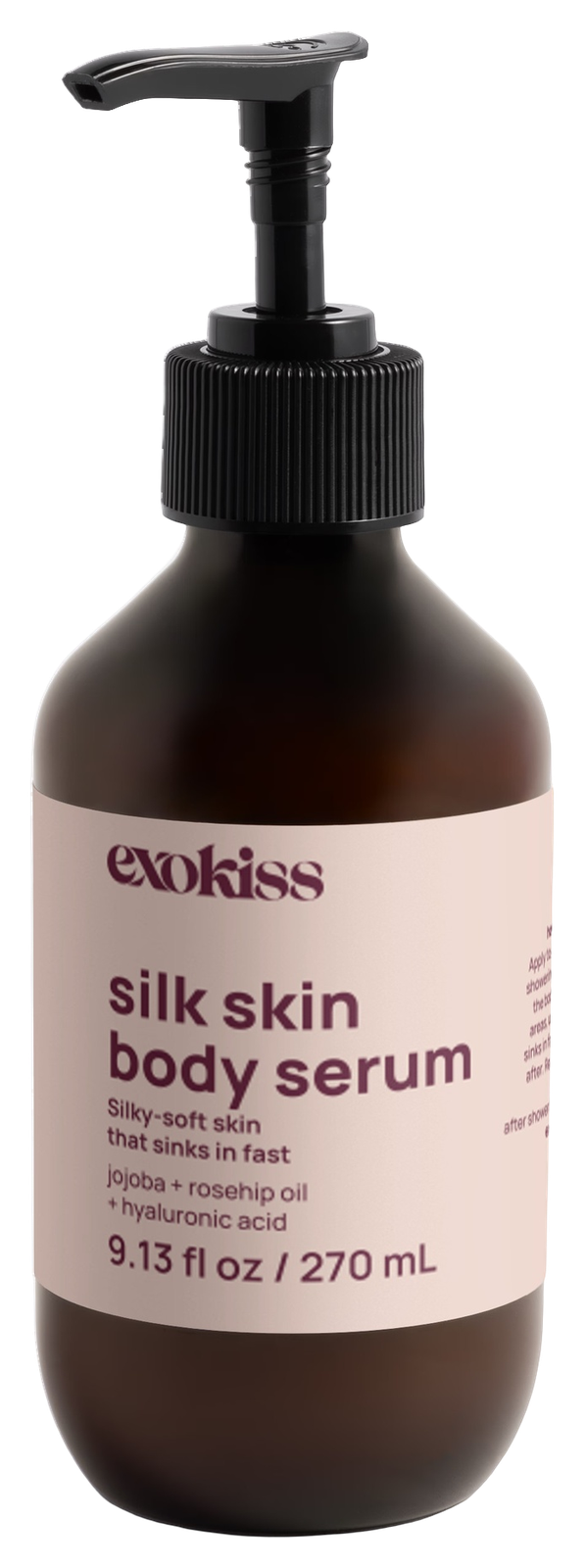
- All over: a light, fast-sinking serum such as our Silk Skin Body Serum with jojoba oil and hyaluronic acid.
- On the rough spots: the urea cream on top.
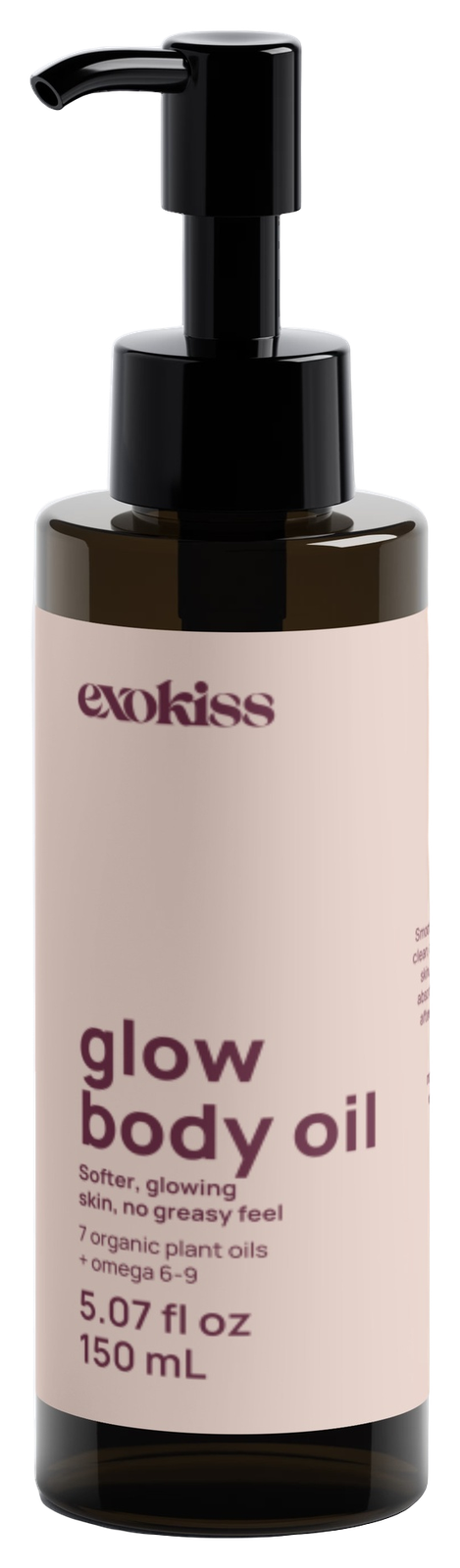
- For a glow: once skin feels soft, a few drops of Glow Body Oil on legs and shoulders.
Once a week, a gentle scrub before your cream can help lift dry flakes. Our Volcano Scrub uses fine volcanic sand. Go easy and never scrub irritated skin. Browse the whole body care range for the rest.
Common mistakes with rough, dry skin
- Long, hot showers. They strip the oils dry skin is already short of. Keep them warm and short.
- Waiting until skin is bone-dry before applying cream. A little dampness helps.
- Scrubbing hard, or every day. Once a week is plenty for most body skin.
- Only using cream when skin feels bad. Rough patches come back when you stop.
- Pushing through stinging. If a product stings, stop on that patch and let the skin settle first.
When to see a dermatologist
Ask a professional if rough skin is itchy, red or cracked, if small bumps on your arms or thighs don't change after a month of daily care, or if you have diabetes and dry, cracked feet. These can need prescription care, and a dermatologist can tell you which strength of urea, if any, suits you.
Frequently asked questions
What does urea cream do for skin?
Urea helps skin attract and hold water and supports the skin barrier. At low strengths it mainly moisturizes; at higher strengths it also softens thick, rough skin.
Is 5% urea strong enough?
For everyday dry and rough body skin, yes. Around 5% is in the moisturizing range. Higher strengths (20% and above) are meant for thick calluses and are usually used for shorter periods.
Can I use urea cream every day?
Yes. Moisturizing-strength urea creams are made for daily use, morning and night. Skip any broken or stinging skin.
Is urea or lactic acid better for rough skin?
They work differently. Urea mainly moisturizes and softens. Lactic acid is an exfoliating acid that also holds water, but it is more likely to sting and can make skin more sensitive to the sun. Many people do well with a urea cream on its own.
Is urea in skincare made from urine?
No. Cosmetic urea is made synthetically in a lab. It's the same molecule your skin produces naturally as part of its own moisturizing factor.
Can I use urea cream on my hands?
Yes, the Urea Body Cream can go on hands as well as the body. For quick top-ups during the day, a lighter hand cream may feel nicer.
Is the exokiss Urea Body Cream fragrance-free?
No. It has a light cucumber, lemon and green-thyme scent. If your skin reacts to fragrance, test it on a small patch first.
Can I use urea cream on my face?
Our Urea Body Cream is made for the body. For your face, choose a facial moisturizer.
Sources
Piquero-Casals J. et al. Urea in dermatology: a review of its emollient, moisturizing, keratolytic, skin barrier enhancing and antimicrobial properties. Dermatology and Therapy, 2021;11(6):1905–1915.
U.S. Food and Drug Administration. Alpha Hydroxy Acids (cosmetics information for consumers).
Product details are taken from the exokiss Urea Body Cream page. This article is general information, not medical advice.
not sure yet?
try it first
2 mL samples of our best-sellers are $5 each, and one is free with orders of $65 or more. Free US shipping from $35.
keep reading
All articles-
 skincare · 3 min read
Bakuchiol vs retinol: what the research says, and which to chooseBakuchiol is the plant ingredient sold as a gentle retinol alternative. Here's what the studies found, who each suits, and whether you can use both.
-
 skincare · 2 min read
Skincare routine steps: the right order, and why three is enoughThe order to apply skincare in the morning and at night, the thin-to-thick rule, and six simple three-step routines matched to what your skin needs.
-
 hair · 3 min read
How to exfoliate your scalp: scrub vs serum, and how oftenWhy scalp buildup happens, the difference between a scalp scrub and an exfoliating scalp serum, and a step-by-step way to use each.


