
The exokiss journal · skincare · 5 min read
Peptide serum vs retinol: which should you start with?
By the exokiss team ·

In short
- Retinol has the strongest research for fine lines, but it can bring dryness, flaking and sun sensitivity while your skin adjusts.
- Peptides are the gentle option: easy to use morning and night, with lighter evidence behind them.
- Bakuchiol and other plant alternatives sit in between: a retinol-like routine without retinol's usual irritation, with a small but growing body of research.
- Not sure? Start gentle, be consistent for 8–12 weeks, and wear sunscreen every morning whichever you choose.
Walk down any skincare aisle and two words keep coming up: peptides and retinol. Both are sold for smoother-looking skin and softer-looking lines, and both get called "the one you need". They work in different ways, suit different skin, and ask different things of you. Here is how to choose between them honestly, including when the answer is "neither yet".
What retinol does
Retinol is a form of vitamin A. In the skin it is converted, step by step, into retinoic acid, the form that skin cells respond to. It is one of the most studied cosmetic ingredients there is. In one well-known trial, people in their 80s who used a 0.4% retinol lotion for 24 weeks had visibly fewer fine wrinkles than those using a plain lotion.
The trade-off is the adjustment period. Many people get dryness, flaking, redness or stinging in the first weeks (often called "retinization"). Retinol also makes skin more sensitive to the sun, so daily sunscreen stops being optional. Retinoids are usually avoided during pregnancy and breastfeeding; ask your doctor if that applies to you.
What peptides do
Peptides are short chains of amino acids, the building blocks of proteins. "Signal" peptides are designed to look like fragments the skin already knows. In skincare they are valued because they are easy to live with: no adjustment period, no sun sensitivity, and they can be used morning and night alongside almost anything else.
The honest part: the research on cosmetic peptides is smaller and more varied than for retinol. Results depend on the specific peptide and the formula, and many studies are short or run by ingredient makers. So think of a peptide serum as a comfortable daily step for skin that looks smoother and more hydrated, not as a retinol replacement with identical results.
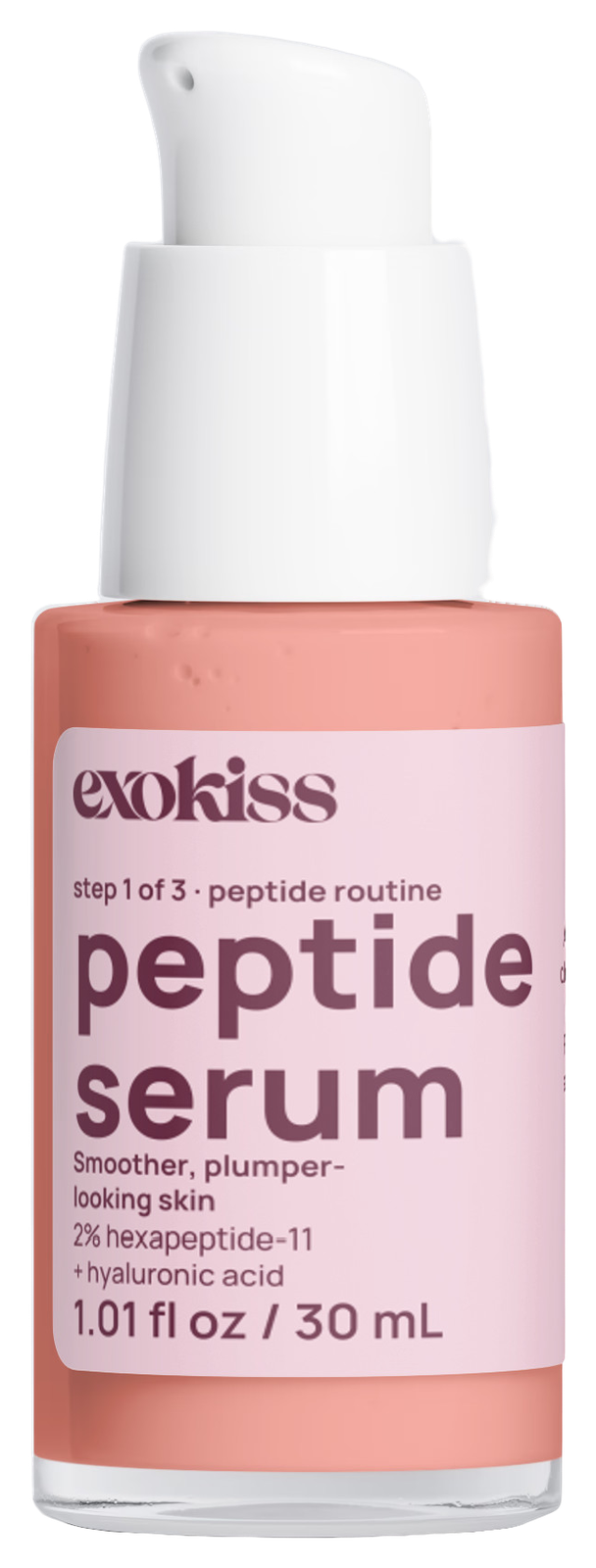
Our Peptide Serum has 2% hexapeptide-11 with hyaluronic acid in a creamy texture, for skin that looks smoother and plumper and feels hydrated. It is made for normal to dry skin and goes on morning and night, after cleansing and before moisturizer.
Where plant "retinol alternatives" fit
If you want a retinol-style evening routine but your skin does not get along with retinol, plant alternatives are worth a look.
Bakuchiol is the best known. In a 12-week study of 44 people, a 0.5% bakuchiol cream used twice a day and a 0.5% retinol cream used once a day gave similar improvements in wrinkles and pigmentation. The bakuchiol group reported less scaling and stinging. It is one small study, but a promising one, and bakuchiol does not carry retinol's sun-sensitivity warning.
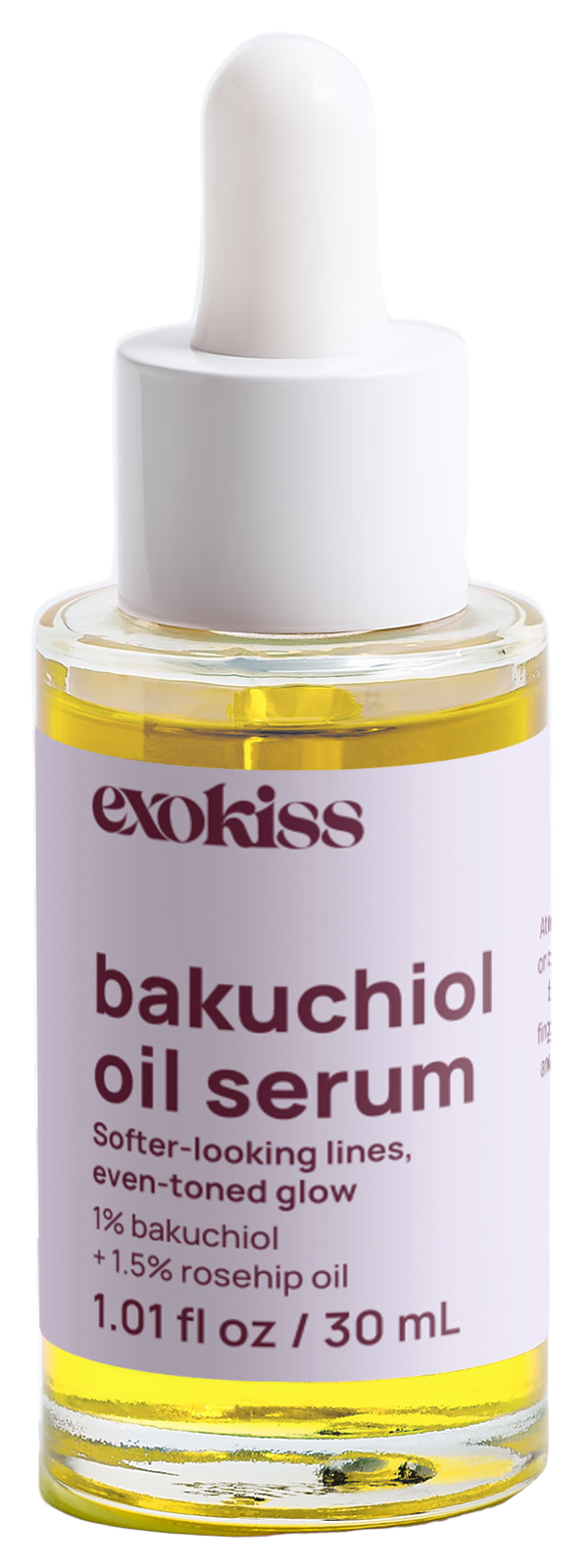
Our Bakuchiol Oil Serum pairs 1% bakuchiol with 1.5% rosehip oil in a waterless night oil. Press it on as the last step of your evening routine, for skin that feels soft and looks even and glowing.
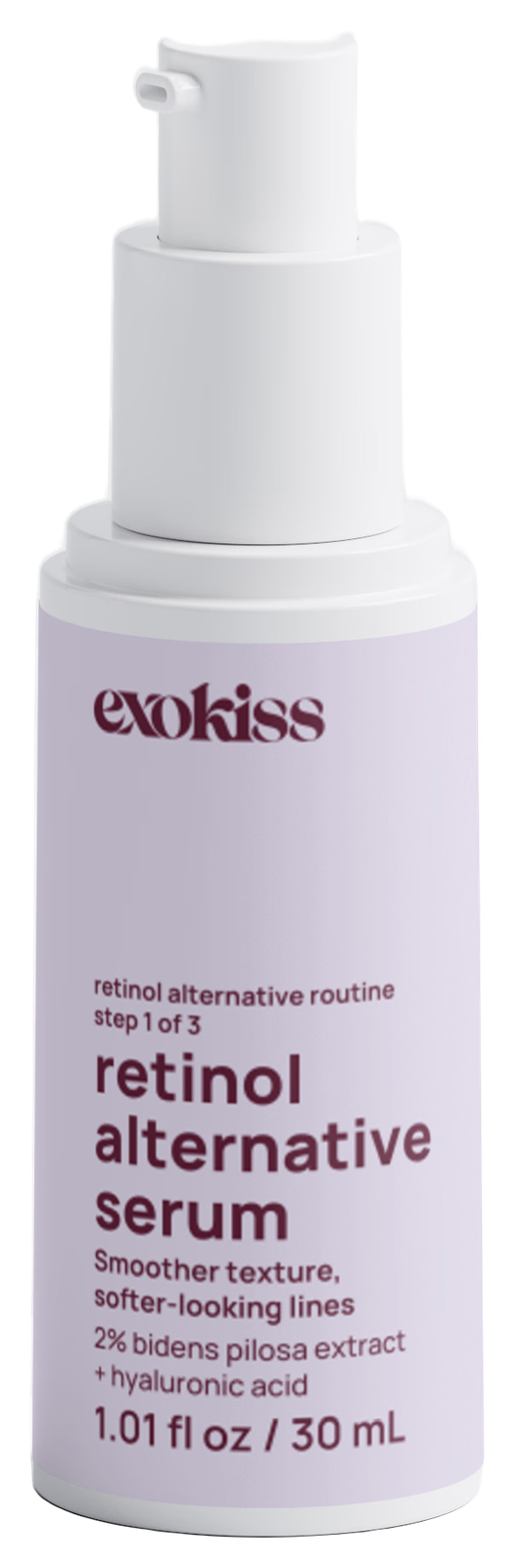
Bidens pilosa extract is a newer plant ingredient sold as a retinol alternative. Most of its data comes from the ingredient's makers, so we describe it modestly: our Retinol Alternative Serum uses 2% bidens pilosa extract in a light fluid for smoother-looking texture and softer-looking lines, with no retinol, morning and night.
Peptides vs retinol vs plant alternatives at a glance
| Peptides | Retinol | Bakuchiol / bidens | |
|---|---|---|---|
| Strength of research | Moderate, varies by peptide | Strongest | Small but growing |
| Adjustment period | None | Common: dryness, flaking | Usually mild |
| When to use | Morning and night | Night | Night (bakuchiol oil); AM and PM (bidens serum) |
| Sun sensitivity | No | Yes | Not reported |
| Good first pick for | Dry, sensitive or busy routines | Experienced users chasing maximum results | Retinol-curious skin that reacts to retinol |
So which should you choose?
Choose a peptide serum if…
you want something you can use twice a day without thinking, your skin is dry or easily irritated, or you are building your first routine. It is also the easiest to layer with other products.
Choose retinol if…
you have used actives before, you want the most researched option for fine lines, and you are happy to start slowly (two or three nights a week) and wear sunscreen every day.
Choose a plant alternative if…
you have tried retinol and it was too much, or you want a retinol-style evening ritual with less fuss.
Can you use them together?
Yes. Peptides play well with almost everything. A common routine is a peptide serum in the morning and retinol or bakuchiol at night. If you use retinol, give your skin a few weeks to settle before adding anything new, so you can tell what is doing what.
How to build the routine
- Cleanse gently, morning and night.
- Serum: peptide serum morning and night, or the retinol-alternative serum.
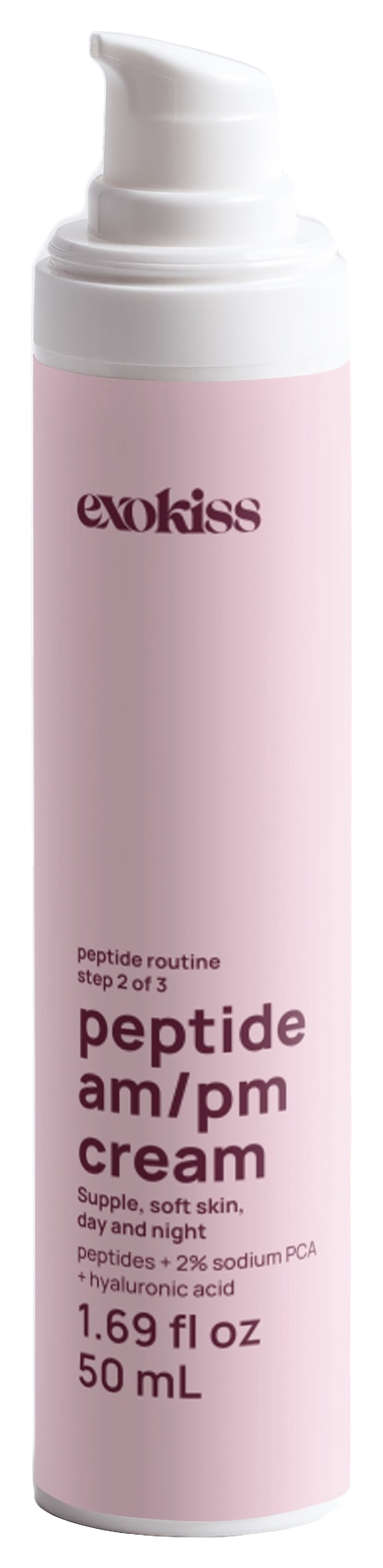
- Moisturize. Our Peptide AM-PM Cream uses the same peptide with 2% sodium PCA; the Retinol Alternative Moisturizer follows the bidens serum.
- Night only: finish with a few drops of bakuchiol oil if you use it.
- Morning only: sunscreen, every day.
Give any new routine 8 to 12 weeks before you judge it, and patch test new products on a small area first.
Frequently asked questions
Is a peptide serum better than retinol?
Not better, different. Retinol has stronger evidence for fine lines but often causes dryness and sun sensitivity at first. Peptides are gentler and easier to use every day, with lighter evidence. Many people use both: peptides in the morning, retinol at night.
Can I use a peptide serum and retinol at the same time?
Yes. Peptides are compatible with retinol. To keep things simple, use the peptide serum in the morning and retinol at night, and introduce one new product at a time.
Is bakuchiol as good as retinol?
One 12-week study of 44 people found 0.5% bakuchiol twice daily and 0.5% retinol once daily gave similar improvements in wrinkles and pigmentation, with less irritation from bakuchiol. It is a small study, so it is promising rather than proven.
How long do peptides take to work?
Skin feels more hydrated straight away. For changes in how smooth skin looks, give it 8 to 12 weeks of consistent use.
Can I use these during pregnancy?
Retinoids are generally avoided during pregnancy and breastfeeding. Ask your doctor or midwife before starting any active skincare.
Sources
Kafi R. et al. Improvement of naturally aged skin with vitamin A (retinol). Archives of Dermatology, 2007;143(5):606–612.
Dhaliwal S. et al. Prospective, randomized, double-blind assessment of topical bakuchiol and retinol for facial photoageing. British Journal of Dermatology, 2019;180(2):289–296.
Schagen S.K. Topical peptide treatments with effective anti-aging results. Cosmetics, 2017;4(2):16.
Product details are taken from each exokiss product page. This article is general information, not medical advice.
not sure yet?
try it first
2 mL samples of our best-sellers are $5 each, and one is free with orders of $65 or more. Free US shipping from $35.
keep reading
All articles-
 skincare · 3 min read
Bakuchiol vs retinol: what the research says, and which to chooseBakuchiol is the plant ingredient sold as a gentle retinol alternative. Here's what the studies found, who each suits, and whether you can use both.
-
 skincare · 2 min read
Skincare routine steps: the right order, and why three is enoughThe order to apply skincare in the morning and at night, the thin-to-thick rule, and six simple three-step routines matched to what your skin needs.
-
 hair · 3 min read
How to exfoliate your scalp: scrub vs serum, and how oftenWhy scalp buildup happens, the difference between a scalp scrub and an exfoliating scalp serum, and a step-by-step way to use each.


