
The exokiss journal · body · 6 min read
Hand cream for dry hands: what makes one work
By the exokiss team ·
In short
- A good hand cream for dry hands does two jobs: it draws water in (glycerin, hyaluronic acid, sodium PCA) and it softens and holds that water (butters and oils).
- When you apply it matters as much as what is in it: after every wash, while your hands are still slightly damp.
- Creams and ointments do more for dry skin than thin lotions.
- Chapped, cracked or sore hands need a plainer, fragrance-free product, and sometimes a dermatologist.
The best hand cream for dry hands is the one you will use ten times a day. That sounds like a dodge, but it is the honest answer: hands get washed, dried, sanitized and exposed to cold air more than any other skin you have, so whatever you put on is gone within the hour. Here is what a hand cream needs to do, how to use it so it works, and where an everyday cream stops being enough.
Why hands get dry so fast
Frequent washing dries hands out. The American Academy of Dermatology points out that hands are often the first place people notice dry skin, and that dishes, gardening and anything else that keeps hands in water through the day makes it worse. Cold, dry winter air does the rest.
You cannot wash your hands less. You can change the water, the wash, and what happens in the thirty seconds after.
What to look for in a hand cream for dry hands
The Academy's advice for dry skin is to choose a cream or ointment rather than a lotion, and to look for one or more of these ingredients: jojoba oil, dimethicone, glycerin, hyaluronic acid, lactic acid, lanolin, mineral oil, petrolatum or shea butter. They fall into two working groups:
| Job | Ingredients that do it | In our Silk Skin Hand Cream |
|---|---|---|
| Draw water into the top layer of skin (humectants) | Glycerin, hyaluronic acid, sodium PCA | Glycerin, sodium PCA and sodium hyaluronate (hyaluronic acid) |
| Soften, and slow down water loss | Butters, plant oils, lanolin, petrolatum, mineral oil, dimethicone | Organic cocoa seed butter and organic sunflower seed oil |
| Make you want to use it | Texture that sinks in; a scent you like, or none | Velvety, fast-sinking; scented |
The third row is not a joke. A rich balm that leaves fingerprints on your phone stays in the drawer. For daytime, a cream that sinks in fast gets used; keep the heavy, greasy layer for bedtime.
What is in our Silk Skin Hand Cream
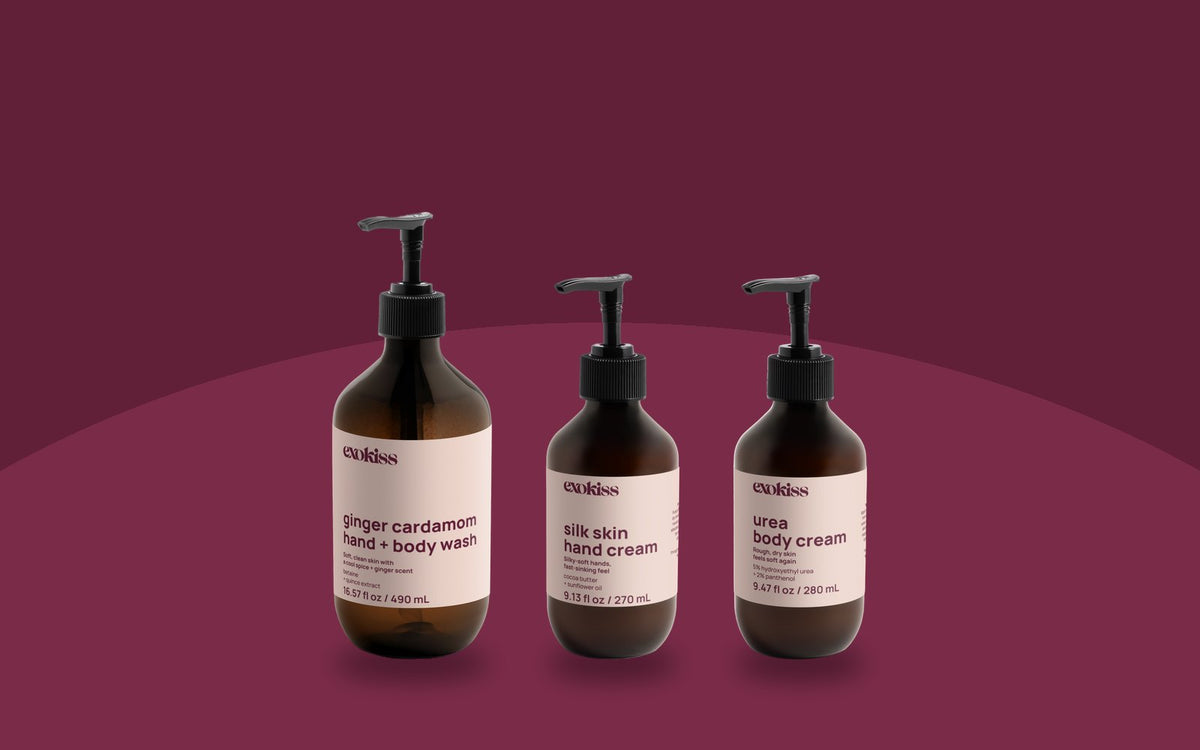
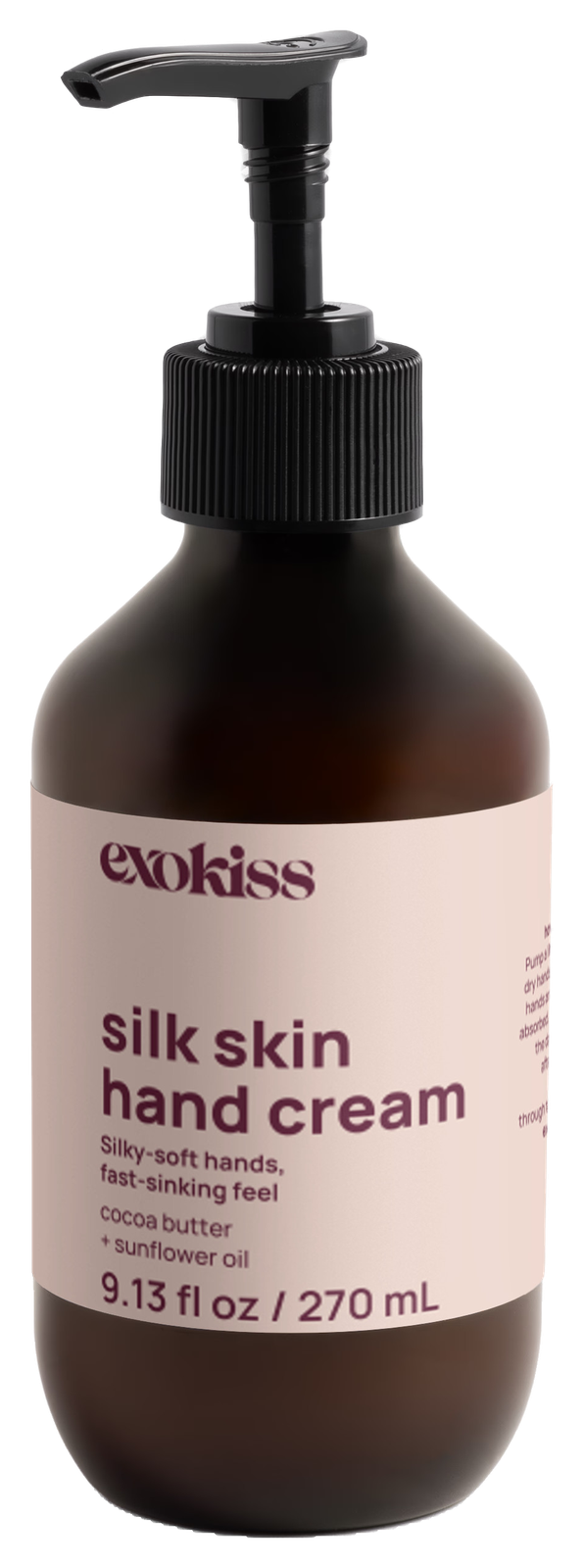
Our Silk Skin Hand Cream puts organic sunflower seed oil second on the ingredient list, right after water, with organic cocoa seed butter for a rich, softening feel. Sodium PCA, glycerin and hyaluronic acid hydrate. The texture is velvety, it sinks in fast, and it leaves a dewy finish, not a greasy one.
It is COSMOS Natural certified by Ecocert Greenlife, 99% natural origin, vegan and cruelty-free, with no parabens, no silicones and a pH of 4.7 to 5.3. It comes in a 9.13 fl oz (270 mL) pump bottle, which is big for a hand cream on purpose: it is made to live by the sink or on your desk, where you reach for it many times a day.
It is scented: fresh citrus, pink pepper, cardamom and ginger on sandalwood and vetiver, from fragrance and essential oils. So it is not the right pick if you avoid fragrance, or while your hands are chapped or cracked. More on that below.
How to use hand cream so it works
- Wash in lukewarm water, not hot.
- Pat your hands until they are just damp, not bone-dry.
- Apply cream straight away. Dermatologists recommend putting hand cream on damp skin immediately after washing. One pump of ours is enough for both hands.
- Work it into the fingertips, nails and cuticles, not just the backs of your hands.
- After hand sanitizer, wait until it dries, then apply cream.
- Repeat after every wash, and once more before bed.
The simplest way to keep to this is to put the cream where the washing happens. A pump bottle next to the tap gets used; a tube in a bag does not.
Your hand wash matters too
A hand cream is working against whatever you wash with, so look at that bottle as well. The Academy suggests a gentle cleanser, and only as much as you need.
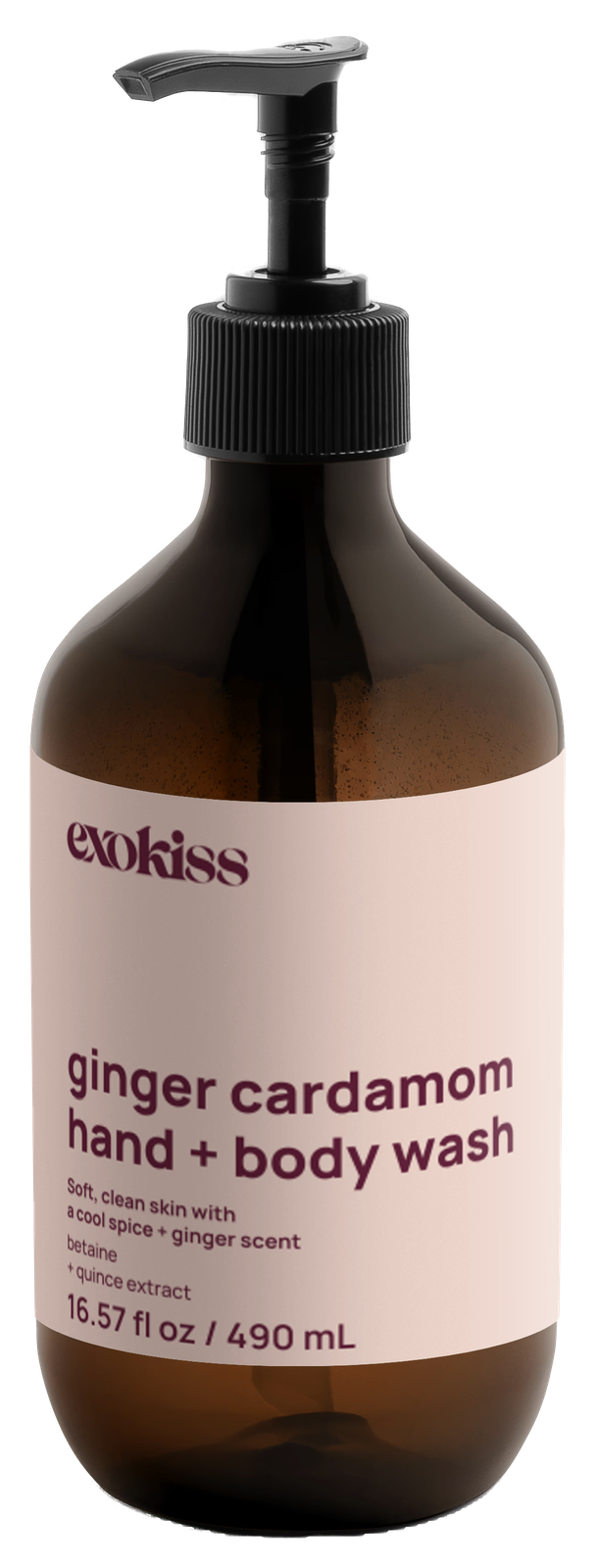
Our Ginger Cardamom Hand + Body Wash is a light gel with betaine, a hydrating ingredient that leaves skin feeling soft after you rinse, and organic quince extract. It shares the cardamom spice of the hand cream, so the two sit well together at the sink. The Amber Vanilla version has the same base with a sweet vanilla, amber and patchouli scent.
Two honest notes. Both washes contain a sulfate cleanser (sodium coco-sulfate) alongside milder plant-derived ones, so they are not sulfate-free. And both are scented. If your hands are sore, a plain fragrance-free wash is the better choice until they settle.
When hands are not the only dry spot
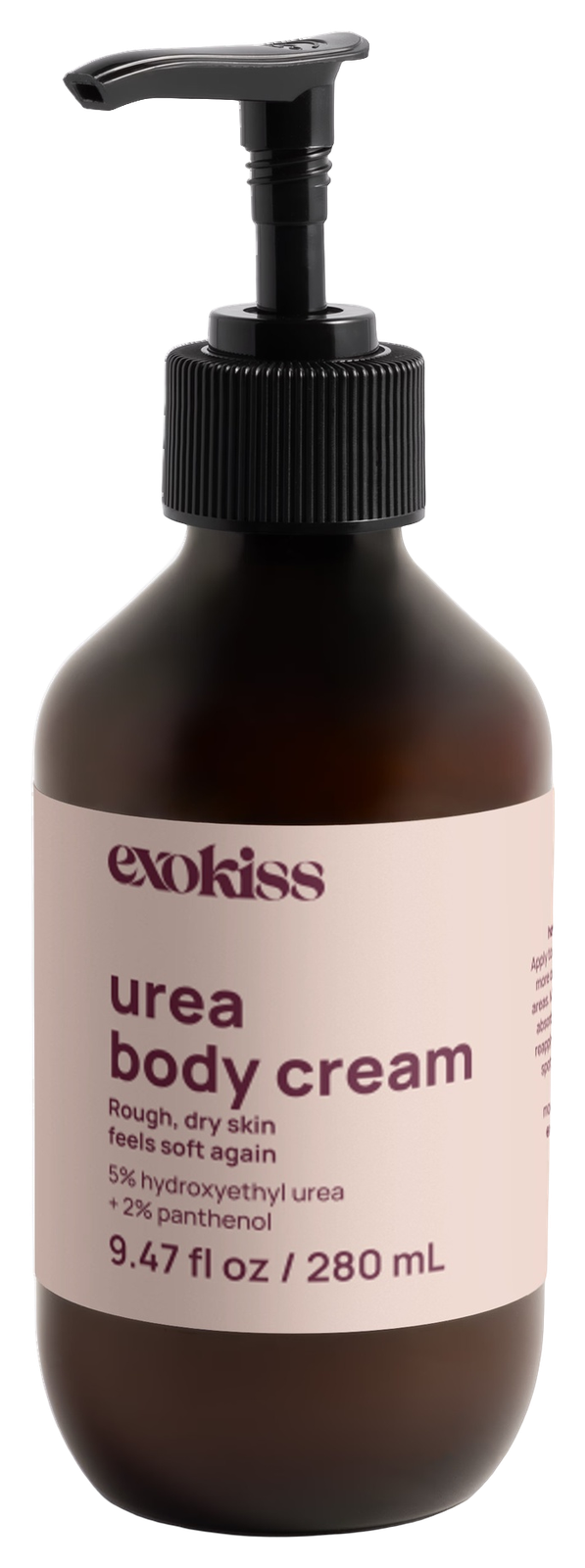
Knuckles, elbows and heels tend to roughen together. For those, a richer cream helps. Our Urea Body Cream has 5% hydroxyethyl urea and 2% panthenol, with sodium hyaluronate and sodium PCA, in a rich texture that is not greasy.
It can go on hands as well, and it works well as the bedtime layer after a day of the lighter hand cream. It has a cucumber, lemon and green-thyme scent.
Our guide to urea cream for rough, dry skin explains what the percentage means and how to use it on elbows, knees and heels. For presents, hand care is one of the easiest things to give; see our skincare gift ideas.
When a hand cream is not enough
An everyday cream is for hands that feel dry, tight or rough. Chapped, cracked or stinging hands are a different job. For those, the American Academy of Dermatology says the products that tend to feel least irritating are ones that:
- contain mineral oil or petrolatum;
- come in a tube or tub, not a pump bottle;
- say "fragrance-free" and "dye-free".
That describes a thick ointment, and it does not describe our hand cream, which is a scented cream in a pump. Use a plain ointment until the skin has settled, wear gloves for dishes and cold weather, and come back to a nicer-feeling cream for daily upkeep. If your hands are still dry after a couple of weeks of this, or they crack, bleed or itch, see a dermatologist. Some dry skin needs a prescription.
Frequently asked questions
What ingredients should you look for in a hand cream?
Something that draws water in, such as glycerin or hyaluronic acid, plus something that softens and slows water loss, such as a butter or plant oil. Dermatologists also list jojoba oil, shea butter, lanolin, petrolatum and mineral oil.
How often should you use hand cream?
After every hand wash, and whenever your hands feel dry. Our Silk Skin Hand Cream is made to be used through the day, as often as you need it.
Should I put hand cream on wet or dry hands?
Slightly damp is best. Dermatologists recommend applying hand cream to damp skin right after washing. After hand sanitizer, let it dry first.
Is hand cream the same as body lotion?
Not quite. Creams are thicker than lotions and do more for dry skin, and a hand cream is made to sink in fast so you can get back to what you were doing. A rich body cream can go on hands too, especially at night.
Why are my hands still dry when I use hand cream?
Usually timing or washing. Apply after every wash, use lukewarm water and a gentle cleanser, and wear gloves for wet work. If nothing changes, see a dermatologist.
Is the exokiss Silk Skin Hand Cream fragrance-free?
No. It contains fragrance and essential oils, with a citrus, pink pepper, cardamom and sandalwood scent. If you avoid fragrance, choose a fragrance-free hand cream.
Sources
American Academy of Dermatology. Dry skin relief from handwashing. https://www.aad.org/public/everyday-care/skin-care-basics/dry/coronavirus-handwashing
American Academy of Dermatology. Dermatologists' top tips for relieving dry skin. https://www.aad.org/public/everyday-care/skin-care-basics/dry/dermatologists-tips-relieve-dry-skin
Product details are taken from the exokiss product pages. This article is general information, not medical advice.
not sure yet?
try it first
2 mL samples of our best-sellers are $5 each, and one is free with orders of $65 or more. Free US shipping from $35.
keep reading
All articles-
 skincare · 4 min read
How to use face oil: when, how much and in what orderHow to use face oil: how many drops, when it goes on, whether it comes before or after moisturizer, and which skin types it suits.
-
 skincare · 4 min read
How to use face mist: five ways, and when to skip itHow to use face mist: after cleansing, under a face oil, over makeup or at midday. The right distance, how often, and what a mist cannot...
-
 skincare · 4 min read
What does hyaluronic acid do for your skin?What does hyaluronic acid do? It holds water, so skin feels hydrated and looks plumper. How to use it, what to pair it with, and where...


